Protecting human life and health is one of the highest priorities of any society. The issue of safety is of paramount importance, particularly across enterprises and organizations operating in manufacturing, industrial, and technical sectors.
Today, advanced production processes, sophisticated technical equipment, and high-responsibility work environments call for a modern approach to safety. Compliance with safety requirements cannot be confined to the passive observance of set regulations. It must become an ingrained component of the professional culture, personal accountability, and discipline of every employee's day-to-day work.
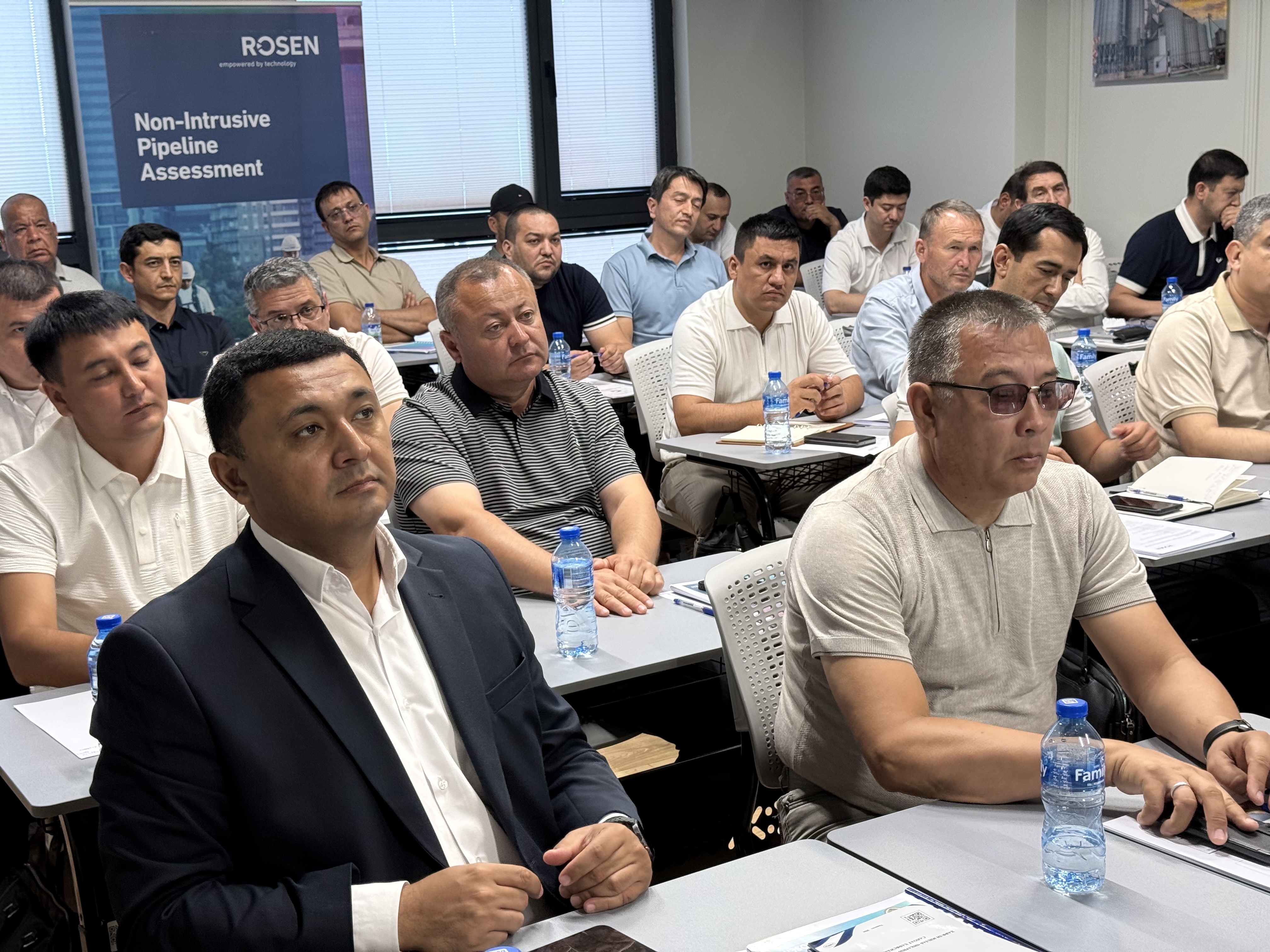
Safety culture begins with knowledge. An employee must be capable of accurately evaluating risks associated with their operations, understanding protocols for the safe handling of machinery, and knowing exactly how to respond in emergencies. Such competencies are reinforced through continuous training, hands-on drills, and ongoing professional development.
In this regard, preparing skilled specialists and continuously upgrading their expertise are critical drivers for ensuring operational safety. When each worker adheres to safety standards consciously, the likelihood of occupational accidents, technical failures, and hazardous situations decreases substantially.
On the eve of the 35th anniversary of state independence of the Republic of Uzbekistan, the protection of human dignity, life, and health gains even deeper significance. Throughout the years of independence, consistent efforts have been made across our nation to uphold human interests, elevate labor conditions, and cultivate modern, safe work environments.
True progress cannot be measured solely by newly commissioned facilities, advanced technologies, or rising production metrics. Its defining benchmark is the opportunity provided for individuals to work in safe environments, performing their duties with competence and confidence.
Therefore, fostering a robust safety culture remains a collective mission for every executive, technical specialist, and employee. A responsible attitude toward safety is not merely a professional duty, but a tangible reflection of respect for human life.
Safety culture represents the synergy of knowledge, discipline, and responsibility. Safeguarding human life and health is the primary prerequisite for all meaningful development.
State Institution "Kontexnazorato‘quv"