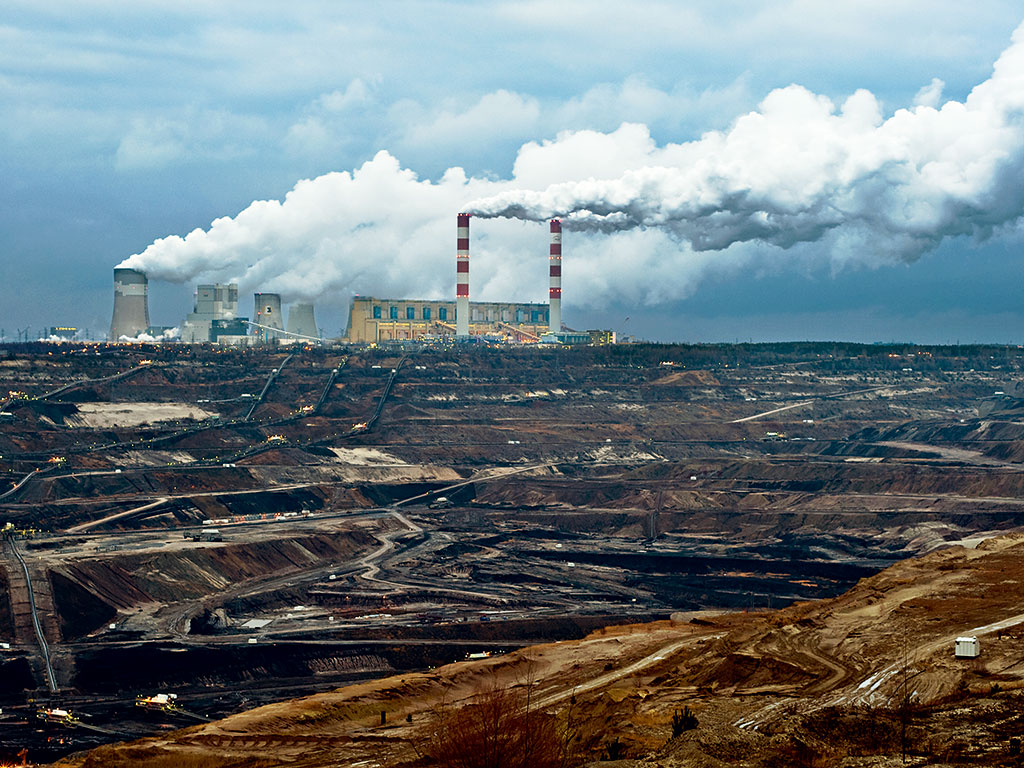
Ensuring safety in Poland's main economic drivers—mining (especially coal and copper extraction), mechanical engineering, energy, and chemical industries—requires high qualifications and regular training processes. How are personnel trained for hazardous industrial facilities, and how is the training process monitored in this country, which is one of Central Europe's major industrial hubs?
📌 STATE CONTROL AND STRICT STANDARDS The occupational health and industrial safety system in Poland is called BHP (Bezpieczeństwo i Higiena Pracy — Occupational Health and Safety) and is strictly controlled by the state. The main regulatory bodies in this sector include: 🔹 PIP (Państwowa Inspekcja Pracy) — State Labour Inspectorate; 🔹 WUG (Wyższy Urząd Górniczy) — State Mining Authority (for the mining sector); 🔹 UDT (Urząd Dozoru Technicznego) — Office of Technical Inspection (for hazardous equipment).
⚙️ "BHP" AND "UDT" CERTIFICATES — THE GUARANTEE OF SAFETY Every employee (including foreign workers) wishing to work at any industrial or construction site in Poland must first complete mandatory BHP training courses. The training is conducted in two stages: introductory (wstępne) and periodic (okresowe). If an employee works with hazardous technical equipment (cranes, hoists, pressure vessels), obtaining a state UDT certificate is mandatory. Operating heavy machinery without this special permit is strictly prohibited and subject to heavy fines.
🎓 WHO DELIVERS THE TRAINING? Industrial and mining safety training in Poland is carried out by specialized state institutions and licensed, accredited training centers: ✅ GIG (Główny Instytut Górnictwa — Central Mining Institute): One of Europe's most authoritative scientific and educational centers in the field of mining safety. It provides training in mine safety, gas explosion prevention, and rescue operations. ✅ UDT Academy: The official academy under the Office of Technical Inspection, which prepares industrial enterprise personnel to work safely with complex machinery. ✅ Special OSK Centers: Private training centers operating across the country that conduct practical and theoretical classes based on occupational safety standards.
🌐 CONCLUSION Poland's experience demonstrates that elevating the occupational safety culture (BHP) to a nationwide level, introducing a strict state certification system (UDT) for operating hazardous equipment, and making efficient use of the potential of research institutes (GIG) yield high effectiveness in preventing industrial accidents.
🇺🇿 The "Kontexnazoroquv" State Institution under the Committee of Industrial, Radiation and Nuclear Safety, analyzing this advanced European experience, also implements training programs for employees of our republic's industrial and mining enterprises that meet international standards, are practice-oriented, and are based on strict control.
Industrial safety begins with solid knowledge and practical skills!